
Table of Contents
Introduction
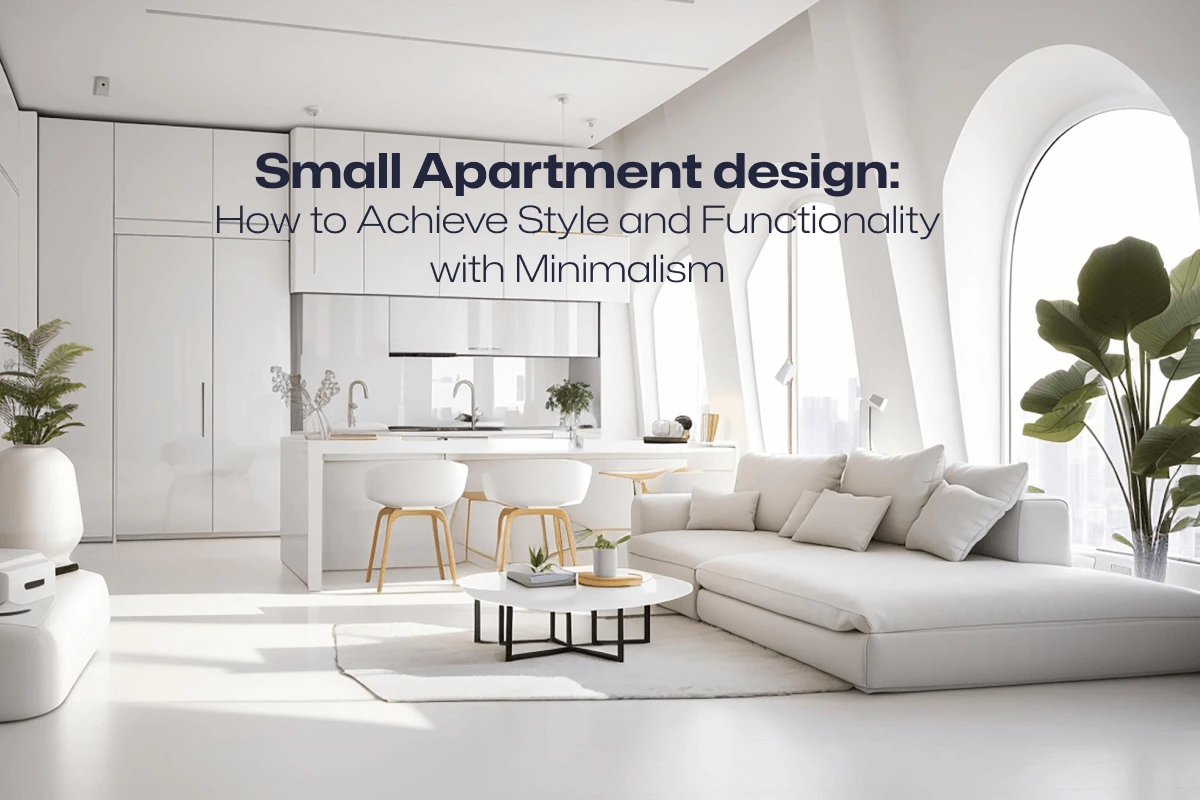
Minimalist design is more than just a trend—it’s a lifestyle choice that brings simplicity, functionality, and elegance into your home. If you live in a small space, adopting a minimalism approach can maximize space, reduce clutter, and create a peaceful environment. In this guide, we’ll explore the benefits of minimalist design and how it can transform small spaces into stylish, efficient, and inviting homes.
1. Maximizing Space and Functionality
Minimalism focuses on intentional living, ensuring that every item in your home serves a purpose. This is especially beneficial for small apartments, studios, or compact homes.
How Minimalism Helps:
- Multi-Functional Furniture: Invest in space-saving furniture like foldable tables, storage beds, and modular sofas.
- Less is More: Declutter your space by eliminating unnecessary items, making rooms feel larger and airier.
- Open Layouts: A minimalist approach promotes open floor plans, reducing visual clutter and making small areas feel spacious.
Pro Tip: Choose furniture with built-in storage to maintain a clean and organized look.
2. Enhancing Aesthetic Appeal
Minimalist design embraces neutral colors, clean lines, and simple decor, creating an effortlessly elegant and modern space.
Elements of a Minimalist Aesthetic:
- Neutral Color Palette: Whites, grays, and earthy tones create a calm and cohesive look.
- Simple yet Elegant Furniture: Stick to sleek designs with minimal detailing.
- Accent Pieces: Instead of cluttering your home with decor, opt for one or two statement pieces per room.
Pro Tip: Use mirrors to reflect light and create an illusion of more space.
3. Creating a Clutter-Free, Stress-Free Environment
A cluttered space can lead to a cluttered mind. Minimalist interior design promotes a sense of tranquility, making your home feel like a stress-free sanctuary.
How to Achieve This:
- Declutter Regularly: Keep only the essentials and get rid of what you don’t use.
- Smart Storage Solutions: Use hidden storage like under-bed drawers, floating shelves, and ottomans with storage compartments.
- Minimal Decor: A few well-chosen items create a more relaxing and cohesive space.
Pro Tip: Follow the “one in, one out” rule—for every new item you bring in, remove an old one to maintain balance.
4. Energy Efficiency and Cost Savings
A minimalist home isn’t just visually appealing—it can also help you save money and energy.
How Minimalism Saves Money:
- Fewer Purchases: Buying less decor and furniture reduces spending.
- Eco-Friendly Choices: Minimalist homes often rely on natural light and energy-efficient appliances.
- Lower Utility Bills: A decluttered, well-organized space allows for better air circulation, reducing the need for excess heating and cooling.
Pro Tip: Use LED lighting and energy-efficient appliances to further cut costs and reduce your carbon footprint.
5. Easier Cleaning and Maintenance
Fewer items mean less dust, less mess, and less time spent cleaning. A minimalist home allows for effortless maintenance.
Minimalist Cleaning Hacks:
- Fewer Surfaces to Dust: Less furniture and decor mean less cleaning.
- Simplified Flooring: Choose easy-to-clean flooring like hardwood, laminate, or tiles.
- Organized Storage: With designated spaces for everything, cleaning up takes just minutes.
Pro Tip: Set a 15-minute daily cleaning routine to maintain a spotless home effortlessly.
Conclusion
Embracing minimalist design for small spaces can bring a sense of order, elegance, and efficiency to your home. By focusing on functionality, aesthetics, and organization, you can transform even the smallest apartment into a comfortable and stylish retreat. Whether you’re downsizing or simply looking to declutter, minimalism is the key to a balanced, stress-free home.
Stay tune for more update about home remodeling guide and service.
What’s Your Favorite Minimalist Hack?
Share your thoughts and experiences in the comments below!
