
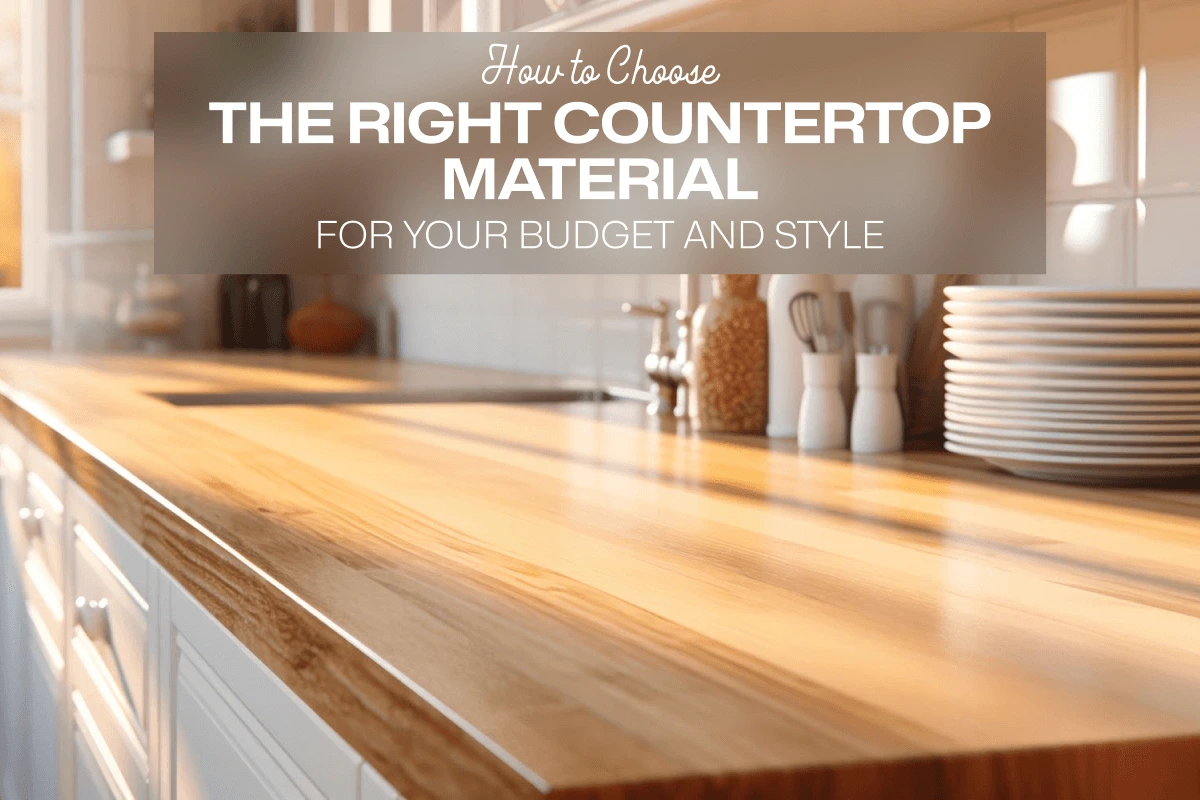
Countertops are among the most frequently used surfaces in a kitchen or bathroom. From preparing meals and placing appliances to handling everyday routines, they need to be both functional and attractive. Because countertops can significantly influence the overall appearance of a space, choosing the right countertop material is an important part of any remodeling project.
With options such as granite, quartz, marble, butcher block, laminate, concrete, and tile, selecting the best material can feel overwhelming. Each option offers different benefits, maintenance requirements, durability levels, and price points.
The best countertop material depends on more than appearance. Your budget, lifestyle, maintenance preferences, and interior design style should all influence your decision. This guide explores popular countertop materials to help you choose an option that fits your home and budget.
1. Granite Countertops
Granite has remained a popular choice for homeowners who want a natural stone countertop with a distinctive appearance. Because granite is a natural material, every slab has its own colours, patterns, and variations.
Pros:
- Unique natural beauty: Every granite slab has a different pattern and appearance.
- Durable: Granite can withstand everyday kitchen use and is resistant to scratches.
- Heat-resistant: It can handle hot cookware better than many other countertop materials.
- Adds visual appeal: Its premium appearance can complement many kitchen styles.
Cons:
- Requires sealing: Periodic sealing helps protect the surface from stains and moisture.
- Heavy: Granite is extremely heavy and requires proper cabinet support.
- Higher cost: Premium granite varieties can become expensive.
Cost:
Granite countertops can typically cost around $40–$200 per square foot, including installation, depending on the quality, thickness, edge profile, and selected slab.
2. Quartz Countertops
Quartz countertops are engineered surfaces made using natural quartz combined with resins and other materials. They are popular because they provide a consistent appearance while requiring relatively little maintenance.
Pros:
- Low maintenance: Quartz generally does not require routine sealing.
- Wide variety of styles: It is available in numerous colours and patterns.
- Stain-resistant: Its nonporous surface makes it easier to clean.
- Scratch-resistant: Quality quartz can handle everyday kitchen activity well.
Cons:
- Limited heat resistance: Direct exposure to very high temperatures can damage the surface.
- Can be expensive: Premium quartz designs can cost more than budget countertop options.
- Engineered appearance: Some homeowners prefer the natural variation of stone.
Cost:
Quartz countertops generally range from $50–$150 per square foot, including installation.
3. Marble Countertops
Marble is known for its elegant veining and luxurious appearance. It is particularly appealing in sophisticated kitchens, bathrooms, and spaces where aesthetics are a major priority.
Pros:
- Elegant appearance: Natural veining gives marble a distinctive, high-end look.
- Heat-resistant: Marble can handle heat well, making it useful for baking areas.
- Naturally cool: Its cool surface can be beneficial for pastry preparation.
- Timeless style: Marble works well with both classic and contemporary interiors.
Cons:
- Prone to staining: Marble can absorb liquids if it is not properly protected.
- Can scratch or etch: Acidic foods and everyday use can affect its surface.
- Requires maintenance: Regular sealing helps protect the stone.
- Higher price: Premium marble can be expensive.
Cost:
Marble countertops typically cost around $60–$250 per square foot, depending on the type, quality, and installation requirements.
4. Butcher Block Countertops
Butcher block countertops provide warmth and character that can be difficult to achieve with stone surfaces. They are especially suitable for farmhouse, rustic, Scandinavian, and transitional kitchen designs.
Pros:
- Warm natural appearance: Wood adds a welcoming feel to kitchens.
- Can be refinished: Minor scratches and marks can often be sanded away.
- More affordable than many stone options: It can work well for budget-conscious renovations.
- Versatile design: Wood complements both traditional and modern interiors.
Cons:
- Requires maintenance: Regular oiling or appropriate finishing may be necessary.
- Can scratch: Knives and sharp objects can leave marks.
- Sensitive to moisture: Excessive water exposure can damage the material.
- Not ideal for direct heat: Hot cookware should not be placed directly on the surface.
Cost:
Butcher block countertops generally cost around $40–$100 per square foot.
5. Laminate Countertops
If affordability is your top priority, laminate is one of the most practical countertop choices. Modern laminate is available in a wide range of colours, patterns, and finishes, including designs that imitate natural stone and wood.
Pros:
- Budget-friendly: Laminate is usually less expensive than stone.
- Many design options: Homeowners can choose from numerous colours and patterns.
- Easy to clean: Routine cleaning is generally simple.
- Lightweight: It can be easier to install than heavier stone materials.
Cons:
- Limited heat resistance: Hot pans can burn or damage the surface.
- Can scratch: Sharp objects may leave visible marks.
- Less durable than stone: It may not last as long under heavy use.
- Lower-end options may look less premium: Appearance varies significantly by product quality.
Cost:
Laminate countertops can typically cost around $20–$50 per square foot.
6. Concrete Countertops
Concrete countertops offer a modern and customizable option for homeowners who want something different. They can be shaped, colored, textured, and finished to suit a specific design.
Pros:
- Highly customizable: Colours, textures, shapes, and finishes can be personalized.
- Durable: Properly installed and maintained concrete can last for many years.
- Modern appearance: It works particularly well in contemporary and industrial kitchens.
- Heat-resistant: Concrete can tolerate heat better than some engineered materials.
Cons:
- Requires sealing: Sealing helps protect against stains and moisture.
- Can develop cracks: Small cracks may appear over time.
- Heavy: Cabinets must be strong enough to support the weight.
- Professional installation may be necessary: Custom fabrication can increase project costs.
Cost:
Concrete countertops generally cost around $75–$150 per square foot, depending on customization and installation.
7. Tile Countertops
Tile countertops can be an economical option for homeowners who want flexibility in colour, pattern, and design. They can also be suitable for DIY-focused remodeling projects.
Pros:
- Affordable: Tile can cost less than many natural stone options.
- Heat-resistant: Many countertop tiles can handle high temperatures.
- Wide design selection: Different colours, shapes, and patterns are available.
- DIY-friendly: Experienced homeowners may be able to install them themselves.
Cons:
- Grout requires maintenance: Grout can collect dirt and may stain.
- Tiles can crack: Strong impacts can damage individual tiles.
- Uneven surface: Grout lines can make the countertop less convenient for certain tasks.
- Cleaning can take more effort: Both tiles and grout need regular care.
Cost:
Tile countertops can range from approximately $10–$80 per square foot, depending on the tile type and installation.
How to Choose the Right Countertop Material
Choosing the right countertop material starts with understanding your priorities. Consider these factors before making a final decision.
Consider Your Budget
Your available budget should be one of the first factors you evaluate. If affordability is your primary concern, laminate and tile can offer attractive options. If you have a larger remodeling budget, granite, quartz, marble, or concrete may provide more premium finishes.
Think About Maintenance
Different countertop materials require different levels of maintenance. Quartz and laminate are generally easier to maintain, while granite and marble may require sealing. Butcher block may also need regular care to maintain its appearance.
Match Your Lifestyle
Think about how you use your kitchen or bathroom. If your countertop experiences heavy daily use, prioritize durability and easy maintenance. If you frequently bake, a heat-resistant surface such as granite or marble may be worth considering.
Match Your Interior Style
Your countertop should complement your cabinets, flooring, backsplash, and overall interior design. Natural stone can create a luxurious appearance, butcher block adds warmth, while concrete can create a modern industrial feel.
Which Countertop Material Should You Choose?
The best countertop material ultimately depends on your budget, lifestyle, maintenance preferences, and design goals.
- For a luxurious appearance: Consider marble or premium quartz.
- For durability and heat resistance: Granite can be a strong option.
- For affordability: Laminate and tile are worth considering.
- For a warm, natural look: Butcher block can add character.
- For a modern custom design: Concrete offers extensive customization.
- For low maintenance: Quartz is a popular choice.
There is no single countertop material that is perfect for every homeowner. The right choice is the one that balances appearance, performance, maintenance, and cost.
Final Thoughts
Countertops can have a major impact on both the functionality and appearance of your kitchen or bathroom. When choosing the right countertop material, consider how much you are willing to spend, how frequently the surface will be used, how much maintenance you are comfortable with, and which style best complements your home.
From affordable laminate and tile to luxurious marble and durable granite, today’s countertop options make it possible to find a surface that fits almost any remodeling goal. Take time to compare materials, understand their advantages and limitations, and choose a countertop that provides the right combination of beauty, performance, and value for your home.
