
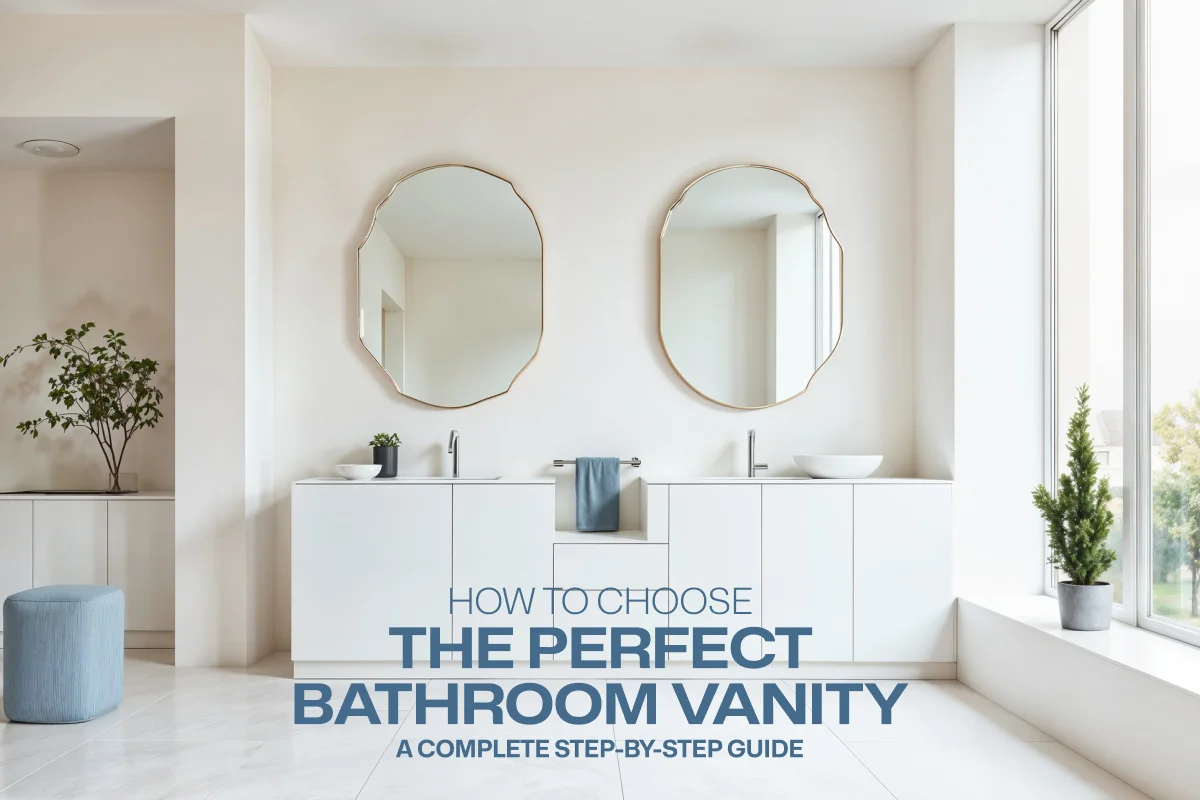
Introduction
A bathroom vanity is more than just a storage unit—it’s a centerpiece that defines the room’s style and functionality. Choosing the right vanity can elevate your bathroom remodel, making it both practical and visually appealing. But with so many options in size, style, and features, where do you begin? This guide walks you through everything you need to consider to find the perfect vanity for your bathroom.
Step 1: Determining the Right Size
The size of your vanity plays a crucial role in functionality and aesthetics. Follow these tips to ensure a perfect fit:
- Measure Your Space:
- Account for available floor space and layout. Leave enough room for doors, drawers, and traffic flow.
- Standard Sizes:
- Single vanities: 24-48 inches wide, ideal for compact bathrooms.
- Double vanities: 60-72 inches wide, perfect for master bathrooms.
- Consider Height:
- Standard height: 32 inches (ideal for kids or small bathrooms).
- Comfort height: 36 inches (preferred for adults).
Step 2: Selecting the Right Style
The vanity sets the tone for your bathroom decor. Choose a style that complements your overall design:
- Traditional:
- Features ornate details, wood finishes, and raised panels.
- Pairs well with classic fixtures and rich color schemes.
- Modern:
- Sleek, minimalist designs with clean lines and neutral tones.
- Ideal for small spaces or contemporary homes.
- Rustic:
- Uses natural materials like reclaimed wood and distressed finishes.
- Brings a warm, earthy vibe to your bathroom.
- Transitional:
- Combines traditional and modern elements for a balanced look.
- Works well in most bathroom designs.
Step 3: Prioritizing Functionality
A beautiful vanity is useless if it doesn’t meet your practical needs. Here’s how to ensure functionality:
- Storage Needs:
- Opt for vanities with drawers, shelves, or cabinets to store essentials.
- Consider hidden compartments for a cleaner look.
- Sink Options:
- Single sink: Best for small bathrooms or guest spaces.
- Double sink: Perfect for shared master bathrooms.
- Countertop Material:
- Granite or quartz: Durable and easy to maintain.
- Marble: Luxurious but high-maintenance.
- Laminate: Budget-friendly and versatile.
- Plumbing:
- Ensure the vanity fits your existing plumbing setup or be prepared for additional renovations.
Step 4: Choosing the Right Materials
The material of your vanity affects its durability and maintenance. Common options include:
- Solid Wood:
- Durable and timeless but prone to moisture damage without proper sealing.
- Plywood:
- Cost-effective and moisture-resistant, suitable for most bathrooms.
- MDF (Medium-Density Fiberboard):
- Budget-friendly but less durable than wood.
- Metal or Glass:
- Adds a modern touch but may require frequent cleaning to maintain.
Step 5: Budget Considerations
Bathroom Vanities are available at various price points, so it’s essential to align your choice with your budget:
- Economical Options: Starting at $100 for basic designs.
- Mid-Range: $500-$1,500 for better materials and features.
- Luxury: Over $2,000 for custom or premium-quality vanities.
Caring for Your Bathroom Vanity
To keep your vanity looking new:
- Wipe surfaces regularly to avoid water damage.
- Use mild cleaners to maintain finishes.
- Avoid placing hot tools directly on the countertop.
Conclusion
The right bathroom vanity enhances both the functionality and style of your space. By considering size, style, functionality, and materials, you can find a vanity that meets your needs and complements your bathroom design. Whether you’re aiming for a sleek modern look or a cozy rustic vibe, your perfect vanity awaits. Stay tune for more update about home remodeling guide and service.
